
Looking to supercharge your Almalinux 9 setup with a versatile payment processing solution? Say hello to Paymenter—a dynamic tool designed to streamline online transactions, making it a seamless addition to your systems.
In this guide, we’re diving into the nitty-gritty of installing and configuring Paymenter on Almalinux 9. Whether you’re a small business owner or a tech enthusiast, integrating Paymenter enhances not only your operational efficiency but also the user experience.
We’ll walk you through every step, from initial setup to fine-tuning configurations. This way, you’ll not only get the software up and running smoothly but also tailor it to meet your unique requirements.
Ready to enhance your Linux environment with Paymenter and make transactions a breeze? Let’s get started!
Installing Dependencies on AlmaLinux 9
Before diving into the installation of Paymenter, we need to ensure that your system has all the necessary dependencies. These foundational components will ensure Paymenter runs smoothly and efficiently.
Start by updating your system’s packages to the latest versions. Open your terminal and execute:
sudo dnf update -y
Next, you’ll need to install some essential packages. Typically, Paymenter requires web server software, a database server, and PHP. Let’s get these installed:
sudo dnf install httpd mariadb-server mariadb php php-cli php-mysqlnd php-gd php-xml php-mbstring php-curl -y
With these packages, you’ll have Apache as your web server, MariaDB for your database management, and PHP to process scripts. All are crucial for Paymenter’s functionality.
Once installed, start and enable these services so they launch at boot. Use the following commands:
sudo systemctl start httpd sudo systemctl enable httpd sudo systemctl start mariadb sudo systemctl enable mariadb
Now that the foundational elements are in place, your AlmaLinux 9 system is primed for installing Paymenter.
Downloading the Paymenter Software
With your system dependencies sorted out, it’s time to grab the Paymenter software. You’ll find the latest version of Paymenter on their official GitHub page, which is a treasure trove of open-source goodies.
First, navigate to the directory where you’d like to download the software. Using your terminal, execute:
cd /var/www/html
Once you’re in the right spot, download the Paymenter software package using Git, ensuring you’re getting the latest and greatest version:
sudo git clone https://github.com/paymenter/paymenter.git
This command pulls all the necessary files and folders into your chosen directory. It typically only takes a moment, and voilà, you’ve got Paymenter on board!
With Paymenter now downloaded, we’re set to dive into the configuration stage, bringing you one step closer to a fully operational payment solution. Let’s keep the momentum going!
Configuring Paymenter on AlmaLinux 9
With Paymenter now downloaded and dependencies installed, it’s time to jump into the configuration phase to tailor the software to your needs.
First, set up your database. Launch MariaDB using:
sudo mysql_secure_installation
Follow the prompts to set a root password and secure your database.
Next, create a dedicated database for Paymenter. Access MariaDB:
sudo mysql -u root -p
Then execute the following commands, one by one:
CREATE DATABASE paymenter_db; CREATE USER 'paymenter_user'@'localhost' IDENTIFIED BY 'strong_password'; GRANT ALL PRIVILEGES ON paymenter_db.* TO 'paymenter_user'@'localhost'; FLUSH PRIVILEGES; EXIT;
Replace ‘strong_password’ with a secure password of your choice.
Now, adjust your Apache configuration to serve Paymenter. Edit the file:
sudo nano /etc/httpd/conf.d/paymenter.conf
Add these lines:
DocumentRoot "/var/www/html/paymenter/public"
ServerName your-domain.com
AllowOverride All
Replace your-domain.com with your actual domain or IP address. Save and exit.
Finally, restart Apache to apply the changes:
sudo systemctl restart httpd
Now, you’re all set! Paymenter is configured and ready to start processing payments efficiently.
Editing Configuration Files
With Paymenter installed, it’s time to fine-tune those vital configuration files to ensure everything works like a charm.
First, you’ll want to tweak the Paymenter .env file, which holds essential environment settings. Navigate to the Paymenter directory and open the file for editing:
cd /var/www/html/paymenter sudo nano .env
Inside the .env file, you’ll need to set your database credentials. Update the following lines:
DB_HOST=localhost DB_DATABASE=paymenter_db DB_USERNAME=paymenter_user DB_PASSWORD=strong_password
Make sure the values match the information you set during database setup. Once done, save and close the file.
For security and performance, check the file permissions. The web server should own these files, so execute:
sudo chown -R apache:apache /var/www/html/paymenter
With your configuration files properly edited and secured, Paymenter is now configured to communicate with your database and serve requests effectively. Let the transactions roll in!
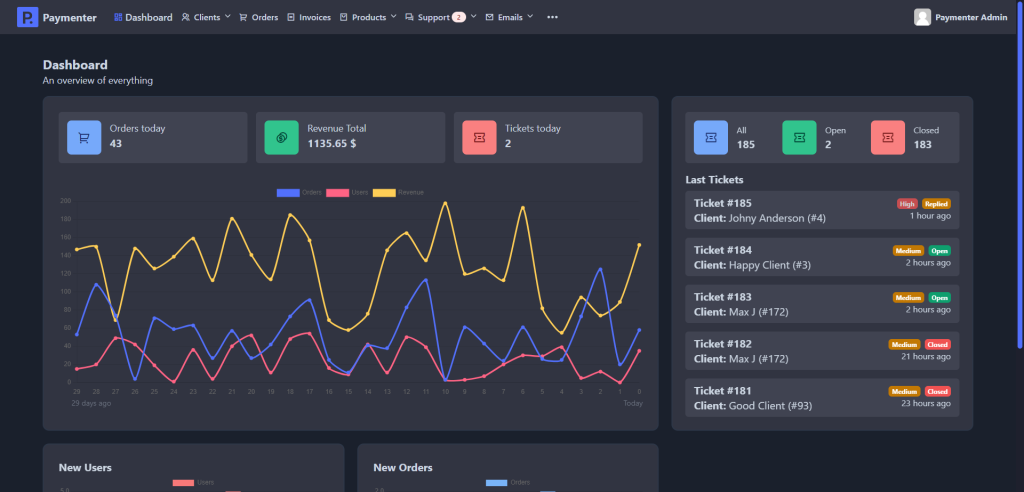
Conclusion
And there you have it—a straightforward path to installing and configuring Paymenter on AlmaLinux 9! With your setup complete, your server is now ready to handle transactions efficiently and securely.
By integrating Paymenter, you’ve taken a solid step towards enhancing your system’s capabilities, providing your users with a seamless payment experience. This newfound functionality can drive growth and flexibility in managing digital transactions.
Remember, staying up-to-date with any software updates ensures optimal performance and security. Don’t hesitate to explore additional Paymenter features and tailor them to match your evolving needs.
We hope this guide has empowered you with the know-how to get Paymenter up and running smoothly. If you encountered any challenges along the way, there’s a vibrant community ready to help.
Now, enjoy the benefits of your newly configured payment processing system and watch your efficiency