
In today’s fast-paced digital world, keeping your data safe is crucial. So, when popular network storage solutions like QNAP roll out patches, it’s important to take note. Recently, QNAP addressed a series of significant vulnerabilities labeled CVE-2025-62843 to CVE-2025-62846, ensuring their users’ systems remain secure and functional.
These vulnerabilities, if left unpatched, could potentially expose users to unauthorized access and data breaches. That’s why staying updated with software patches is vital for anyone using QNAP’s NAS devices. While these acronyms and numbers might seem technical, the implications are very real—and that’s what we’re here to unravel today.
Join us as we dive into what these vulnerabilities mean, how they could impact you, and, most importantly, what steps you should take to secure your network environment. By understanding these updates, you can better protect your digital assets and stay one step ahead in the cybersecurity game.
Understanding the Impact of CVE-2025-62843
In the expansive world of network-attached storage, a vulnerability like CVE-2025-62843 can shift the dynamic drastically. This specific flaw could allow unauthorized users to access sensitive data stored within your QNAP NAS device. It’s these types of vulnerabilities that can undermine the integrity, confidentiality, and availability of your stored information, making it imperative to comprehend their roots and repercussions.
Analyzing the Vulnerability
CVE-2025-62843 involves a security loophole that stems from improper validation checks within the system’s architecture. These checks are essential for ensuring that only sanctioned activities occur within the network environment. By exploiting this flaw, malicious actors could potentially execute unauthorized code or bypass authentication protocols, gaining unwarranted access to your data storage with relative ease.
Mitigation Strategies
Mitigation starts with promptly applying the latest firmware patch provided by QNAP. Keeping your system updated is your first line of defense. In addition, implement network segmentation to restrict direct access to sensitive areas of your storage. It’s also wise to employ multi-factor authentication, adding another layer of security to your login processes. Regularly audit access logs to detect and respond to suspicious activity swiftly. Adopting these strategies will significantly minimize the risk associated with CVE-2025-62843.
CVE-2025-62844: Exploitation Risks & Solutions
CVE-2025-62844 introduces another critical concern for QNAP users, focusing on the potential exploitation of system vulnerabilities that could lead to unauthorized data manipulation. Recognizing the seriousness of such threats is crucial for maintaining robust data security protocols and ensuring seamless operation.
Potential Threat Vectors
This vulnerability presents potential entry points that could be leveraged by cyber attackers. Specifically, CVE-2025-62844 stems from inadequate input validation, which can be exploited to inject malicious code or commands into the system. This could allow attackers to modify or corrupt data, disrupting operations and compromising sensitive information.
The good news is that solutions are within reach. First, implementing the recommended QNAP firmware update is essential. Beyond patches, fortify your system by configuring advanced firewall settings, which help limit external access. Regular vulnerability assessments can pinpoint weak links before they become critical issues, allowing for preemptive action. Additionally, fostering user awareness through training sessions on recognizing phishing attempts and other social engineering techniques can significantly bolster your first line of defense. By embedding these strategies into your routine security practices, you can effectively mitigate the risks associated with CVE-2025-62844.
CVE-2025-62845: Security Considerations
Navigating the intricacies of network security can be daunting, especially with vulnerabilities like CVE-2025-62845 on the radar. This particular threat is centered around potential buffer overflow risks, which can lead to data leakage or unauthorized execution of programs. Understanding the gravity of such security issues is key to implementing effective defense mechanisms.
Protective Measures
Addressing CVE-2025-62845 requires a proactive approach. Firstly, applying the latest QNAP updates is a must—the company continually refines its software to counter emerging threats. Additionally, strengthening your password policies ensures that only authorized personnel can carry out administrative functions, thereby reducing exposure to potential exploits.
Implementing intrusion detection systems (IDS) provides an extra layer of monitoring, alerting you to any anomalies that could signal an attempted breach. Furthermore, conduct regular data backups. This ensures that even in the unfortunate event of a compromise, you can quickly restore your system to its last secured state without loss.
Finally, fostering a culture of vigilance among your team can be pivotal. Encourage regular training and drills to keep everyone informed and ready to respond effectively to potential security incidents. These measures build a comprehensive defense against the risks posed by CVE-2025-62845.
CVE-2025-62846: Ensuring Robust Defense
Rounding off our discussion, CVE-2025-62846 poses challenges related to privilege escalation vulnerabilities. If improperly managed, this issue could allow attackers to elevate their access rights within your QNAP system, compromising its overall security posture. Awareness and proactive measures are crucial to staying secure.
Best Practices for Protection
To safeguard against CVE-2025-62846, adopters should start with regular update installations from QNAP, prioritizing the latest patches. Beyond updates, apply the principle of least privilege across your system, granting users only the access necessary for their roles. This limits the potential impact of any unauthorized access attempts.
Leveraging robust encryption methods for both data in transit and at rest can significantly deter unauthorized data access. Additionally, regularly reviewing system permissions and conducting audits can quickly highlight any discrepancies or unauthorized privilege changes, allowing for instant remediation.
Finally, enforce endpoint security protocols to ensure that any devices accessing your network conform to security standards. This involves using antivirus software, firewalls, and maintaining a rigorous update schedule. Implementing these best practices offers a multi-layered defense against CVE-2025-62846, fortifying your data environment against potential threats.
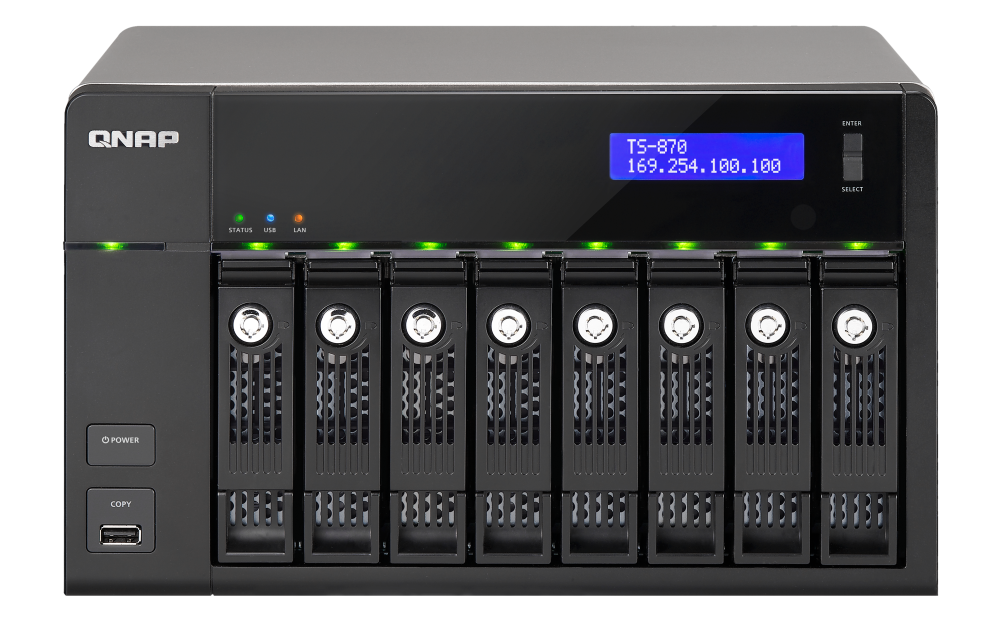
Conclusion: Enhancing Security Posture Post-Patch
With QNAP rolling out essential patches for vulnerabilities CVE-2025-62843 through CVE-2025-62846, it’s crucial to not only patch up but to also look forward. These updates are vital, but they mark just one step in an ongoing journey of strengthening your security posture.
Incorporating these patches should be a wake-up call to evaluate and enhance your overall cybersecurity strategies, providing an opportunity to bolster defenses comprehensively.
Long-term Security Strategies
Adopting a proactive rather than reactive approach to security is key. Regularly updating all software and hardware fortifies your first line of defense against emerging threats. Conducting frequent security audits and vulnerability assessments can help identify weaknesses before malicious actors do.
Invest in security awareness training to ensure that your personnel are equipped to recognize and respond to potential threats effectively. It’s also wise to develop a robust incident response plan, ready to be deployed at the first sign of trouble, minimizing damage and downtime.
Lastly, consider investing in advanced threat detection and prevention technologies. By staying vigilant and adaptable, you cultivate a strong security culture that is capable of weathering future storms, ensuring sustained protection for your digital assets.