
Hold onto your hats, because 2026 has kicked off with a cyber twist that’s raising eyebrows across the globe. Imagine a stealthy, relentless army of bots, each zeroing in on 174 separate chinks in digital armor. It’s a digital siege that no one saw coming!
These vulnerabilities are not just random blips on the cybersecurity radar. They’re being specifically targeted by botnets, those notorious networks of hijacked devices that have one focus: to infiltrate and exploit. The fact that so many vulnerabilities are being targeted simultaneously paints a vivid picture of the evolving cyber threat landscape.
Join the conversation as we dive into how hackers are unleashing these botnets to wreak havoc. We’ll explore the potential impact on industries and everyday users alike. What are the motivations behind these attacks, and more importantly, how can individuals and organizations bolster their defenses?
Engage with us as we unravel this complex digital heist, and provide insights into shielding your systems from being caught in the crossfire. Stay informed, stay secure, and let’s navigate these cyber currents together!
Introduction to Botnet Exploitation of Vulnerabilities
In the relentless realm of cyberspace, botnets have evolved into formidable adversaries. Picture them as armies of compromised devices, banded together with a single purpose: seeking and exploiting weak links in the digital chain. These stealthy networks can infiltrate systems, pilfering data or turning devices into unwilling participants in large-scale attacks.
The key to their success? Vulnerabilities. Whether it’s unpatched software, weak passwords, or configuration flaws, these weaknesses are the open doors botnets are waiting to pounce on. In 2026, the sheer number of targeted vulnerabilities is alarming, and it underscores the need for heightened awareness and proactive measures.
Understanding the mechanics of botnet exploitation is crucial for anyone looking to safeguard their digital spaces. The more we know about their tactics, the better equipped we are to fortify our defenses.
The Rise of Automated Attacks
Automation has revolutionized our world in many positive ways, but it’s also armed cybercriminals with potent new tools. Automated attacks enable hackers to launch and manage assaults on a scale previously unimaginable. This technique allows them to scan the internet for vulnerabilities 24/7, attacking faster than a human could ever hope to react.
Automation doesn’t just increase the speed of attacks; it also broadens their scope. By automating the tedious aspects of cyber attacks, hackers can focus their efforts on more complex infiltration strategies. Hence, the rise of automated attacks is a wake-up call to bolster our cyber defenses with the same level of sophistication.
Importance of Cybersecurity in 2026
In an era defined by digital dependency, cybersecurity in 2026 is more crucial than ever before. The rapid evolution of cyber threats demands that individuals and businesses alike prioritize safeguarding their digital assets. It’s no longer just about protecting data but preserving trust and maintaining operational continuity.
Vigilant cybersecurity practices can make a monumental difference in fending off sophisticated threats like these botnet attacks. From routine software updates and robust firewalls to educating employees about phishing tactics, a multifaceted defense is key.
By embracing proactive cybersecurity measures, we’re not just reacting to threats; we’re stepping ahead of them, ensuring a safer digital environment for everyone. Let’s keep our digital worlds secure and resilient against the ever-changing cyber threat landscape.
Analyzing the 174 Vulnerabilities
Let’s roll up our sleeves and take a closer look at these 174 vulnerabilities that have captured the attention of botnets in 2026. This isn’t just about numbers; it’s a strategic playfield for cyber criminals. Each vulnerability represents an opportunity for infiltration, and understanding them is half the battle.
The vulnerabilities that have been identified span a wide range of software and systems, from outdated applications to newly-discovered flaws in cutting-edge technology. They offer multiple entry points for botnets to commandeer devices or siphon off sensitive information.
Each of these 174 vulnerabilities has its own tale to tell, but together, they’re a clarion call for enhanced vigilance and preparedness.
Common Patterns in Targeted Vulnerabilities
When you begin to dissect these vulnerabilities, some intriguing patterns emerge. Many of the targeted weaknesses tend to occur in legacy systems that haven’t kept pace with security updates. Others crop up in new tech, exploited before patches can be rolled out.
Furthermore, we see a recurring theme of weak authentication processes being a favorite target for attackers. Insufficient password protocols and flawed user permission settings can act as open invitations for intrusion.
Understanding these patterns is crucial. By identifying commonalities, we can tailor our defenses to prevent these vulnerabilities from being exploited, making it harder for cybercriminals to succeed in their missions.
Impact on Various Industries
The ripple effect of these vulnerabilities extends well beyond individual devices and systems. Industries ranging from healthcare to finance face the daunting challenge of protecting their infrastructure amid a fierce barrage of botnet attacks.
For the healthcare sector, patient data is at risk, threatening privacy and service continuity. In finance, potential breaches could lead to financial loss and eroded client trust. Even retail isn’t immune, facing risks from compromised transaction systems.
Each industry must respond uniquely, with tailored security strategies that address their particular vulnerabilities. Strengthening defenses isn’t just a box-checking exercise; it’s vital for maintaining service integrity and public trust.
As these botnets continue their relentless pursuit, industries must stay one step ahead, ready to counterattack with unwavering resilience.
How Botnets Operate
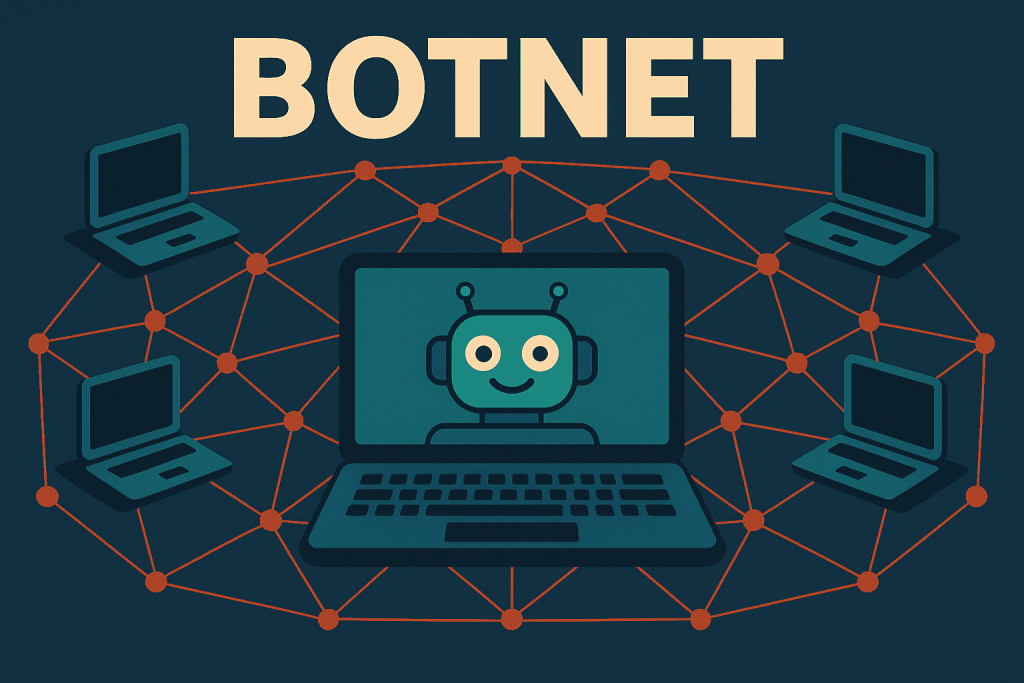
Imagine a legion of connected devices, all working under the control of a single operator without their owners even knowing. That’s the clandestine world of botnets in action. These networks begin when malware infiltrates devices, transforming them into bots that follow commands from a central server or peer-to-peer architecture.
Once activated, botnets can perform a wide array of tasks. They might execute distributed denial-of-service (DDoS) attacks to overwhelm websites, send out waves of spam, or steal sensitive information. The beauty, or rather the danger, of botnets lies in their ability to scale up operations rapidly, making them a formidable opponent in the digital realm.
Cybercriminals wield these botnets with precision, orchestrating attacks that can cripple systems and extract valuable data without leaving a trace. Understanding this operation is key to combating their impact.
Network Behavior and Automation
The choreography of a botnet attack is something to behold. Through automation, botnets conduct simultaneous operations, scanning millions of devices to find vulnerabilities. It’s like casting a wide net to see what it can catch.
Once a botnet identifies a target, it relies on pre-programmed scripts and algorithms to infiltrate and strike. This automated behavior not only increases the speed of attacks but also reduces the effort needed from hackers, allowing them to launch multiple assaults with minimal oversight.
The behavior of botnets on networks is often subtle but tells a story of silent infiltration and exploitation. It’s a calculated dance of chaos and stealth, making it essential to employ robust network monitoring and defense strategies to detect and thwart these automated invaders.
Defense Strategies Against Botnets
Let’s dive into the toolkit essential for standing up to botnets. First off, stay ahead of the game with regular software updates. These keep potential entry points closed by patching up known vulnerabilities faster than a botnet can exploit them.
Next, robust firewalls and intrusion detection systems are your front-line soldiers. They monitor for suspicious activity, blocking any unwelcome attempts at infiltration. Adding multi-factor authentication is another key step, ensuring that even if one line of defense fails, there’s a backup.
Educating employees about cybersecurity best practices can’t be emphasized enough. A knowledgeable team is less likely to fall for phishing attempts, reducing the risk of accidental breaches.
Finally, consider investing in advanced threat intelligence solutions. These tools can predict potential threats and provide a proactive rather than reactive response to emerging threats.
Collaboration Between Organizations
It’s time to think beyond isolated efforts. In the face of growing botnet threats, collaboration is more crucial than ever. Organizations can share intelligence on potential threats and vulnerabilities, creating a united front.
Industry-specific groups and public-private partnerships can be powerful allies. By pooling resources and knowledge, they can develop comprehensive countermeasures and response strategies. This kind of collaboration not only allows for a quicker response but also fortifies the entire ecosystem, making it resilient against large-scale attacks.
Remember, when it comes to cybersecurity challenges, we’re all stronger together. So, let’s build bridges, not just walls, to keep our digital worlds safe and sound!
Conclusion and Future Considerations
As we wrap up this digital deep dive, it’s crystal clear that the cyber arena is more volatile than ever before. The 174 vulnerabilities exploited by botnets in 2026 are just the tip of the iceberg when it comes to potential threats lurking beneath the surface.
To stay ahead of these curveballs, both individuals and organizations need to adopt a proactive stance. It’s not just about patching up what’s broken but anticipating what could break. Cybersecurity isn’t a one-and-done effort; it requires continual vigilance and adaptation.
Looking to the future, collaboration and communication will be pivotal. Sharing intelligence and learning from each other’s experiences can transform isolated vulnerabilities into reinforced fortresses. By staying alert and informed, we can turn future threats into manageable challenges.
Preparing for Emerging Threats
So, what’s next on the cyber threat horizon? With technology evolving rapidly, expect new vulnerabilities and increasingly sophisticated attack vectors. Artificial intelligence and machine learning are likely to be at the forefront, both as potential tools for hackers and as defenses against them.
Preparing for these emerging threats means equipping ourselves with the right knowledge and tools. Invest in cutting-edge security solutions, foster a culture of cybersecurity awareness, and keep an eye on technological advancements.
Adaptability and foresight are your best allies. Let’s face tomorrow’s challenges head-on, ensuring that the digital future remains a safe and prosperous place for us all.