
A digital storm looms large for website administrators as a critical flaw in the Ally WordPress Plugin threatens the security of over 200,000 websites in 2026. As technology advances, so do the methods hackers use to exploit vulnerabilities, leaving site owners scrambling to secure their domains.
In a rapidly changing digital landscape, plugins like Ally are essential for WordPress functionality and user experience. However, the recent discovery of this security gap highlights the importance of regular updates and stringent security measures.
The high-severity vulnerability enables potential cyber attackers to exploit unpatched sites, wreaking havoc through unauthorized access or data breaches. An advisory issued by cybersecurity experts urges immediate action, emphasizing the necessity for website owners to stay alert and responsive.
This incident underscores a crucial lesson for all in the digital realm: even trusted tools can harbor hidden dangers. Stay tuned as we dig deeper into what went wrong, how it affects users, and, most importantly, how you can protect your digital spaces from future threats.
Understanding the Ally WordPress Plugin Vulnerability
The recent security scare regarding the Ally WordPress Plugin centers around a significant vulnerability that has put thousands of websites at risk. Understanding the nature and implications of this flaw is crucial for current and potential users.
What is the Ally WordPress Plugin?
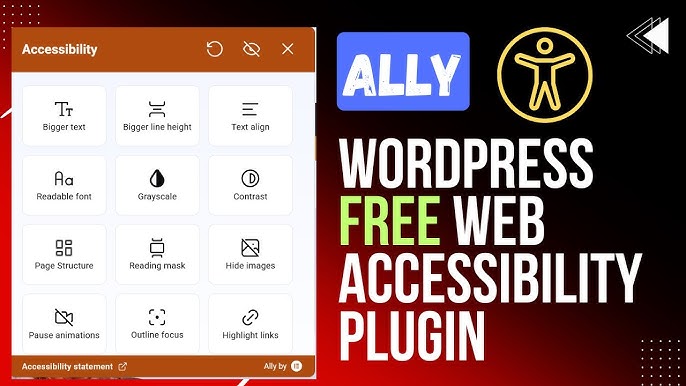
Ally is a widely-used WordPress plugin renowned for its user-friendly designs and customization capabilities. It powers websites across various industries, helping site owners enhance their visual appeal and functionality without extensive technical know-how. The popularity of Ally stems from its robust features that simplify web management for non-tech-savvy users.
How the Vulnerability Was Discovered
The vulnerability was identified by cybersecurity researchers during a routine audit of the plugin’s codebase. Their findings revealed that improper permission handling allowed unauthorized users to gain access to sensitive site components. This revelation not only highlighted potential exploits but also spotlighted the ongoing necessity for thorough security assessments.
In response, researchers promptly alerted the development team, halting further damage and facilitating the deployment of a security patch. While the swift response mitigated the spread, the incident emphasizes the need for continuous vigilance and updated cybersecurity protocols to safeguard against similar threats.
Impact of the Security Flaw on Websites
The revelation of the security flaw in the Ally WordPress Plugin has sent ripples through the digital community, particularly affecting small to medium-sized websites. Site owners are concerned about the potential fallout from this vulnerability, which could range from minor disruptions to full-scale data breaches.
Risk to Over 200,000 Websites
Over 200,000 websites are directly affected, creating a massive target for cybercriminals looking to exploit unpatched sites. This flaw highlights the vulnerability of relying on third-party plugins for critical website functions, especially when they are widely used across various industries.
Webmasters now face the daunting task of ensuring their sites are fortified against possible attacks. Proactive steps, including prompt updates and patch installations, are essential to mitigate risks and protect valuable digital assets.
Potential Exploits and Threats
The vulnerability opens doors to several potential exploits, most notably unauthorized data access and malware injection. Cyber attackers can leverage these weaknesses to gain control, manipulate site data, or steal sensitive information like customer details.
These threats not only compromise the integrity of individual websites but can also damage the trust and reputation that businesses work hard to build. As hackers grow more sophisticated, the need for robust cybersecurity measures becomes even more crucial.
Steps for Website Owners to Mitigate Risks
Addressing the Ally WordPress Plugin vulnerability is crucial for safeguarding your website. By taking both immediate and long-term actions, you can effectively protect your digital presence.
Immediate Actions to Take
First and foremost, update the Ally plugin to its latest version as soon as possible. Developers have released a patch to fix the security flaw, and applying this update is your initial line of defense.
Additionally, conduct a thorough security audit of your site. This will help identify any other vulnerabilities that might be present. Consider using security plugins that can add an extra layer of protection by monitoring suspicious activities.
Lastly, change all admin passwords and ensure they are robust, combining numbers, symbols, and both upper and lower-case letters. This helps prevent unauthorized access through compromised credentials.
Long-term Security Strategies
Looking ahead, implement a regular schedule for plugin updates and security checks. Staying on top of the latest versions can prevent vulnerabilities from creeping into your system.
Also, consider enabling two-factor authentication for account logins. This simple step can greatly enhance your site’s security by adding an additional verification layer.
Finally, educate your team or yourself on the latest cybersecurity practices. By cultivating a culture of security awareness, you’re less likely to fall prey to similar threats in the future.
Conclusion on the Ally Plugin Security Incident
The Ally WordPress Plugin security flaw serves as a stark reminder of the ever-evolving threats in the digital world. While the vulnerability exposed significant weaknesses, the swift actions taken by both developers and vigilant website owners have helped contain potential damage.
This incident highlights the critical importance of not only maintaining the latest plugin versions but also fostering a proactive security strategy. Regular audits, secure practices, and staying informed about potential risks should be integral to website management.
Addressing vulnerabilities promptly can help mitigate threats, protect sensitive data, and maintain the trust and integrity of your site. As the digital landscape continues to expand, so too must our efforts to safeguard it against ever-present cyber threats.
Ultimately, the Ally plugin incident is a learning opportunity for all involved. It underscores that while technology offers innovation and convenience, it also demands diligence and vigilance to ensure the safety and security of digital assets.